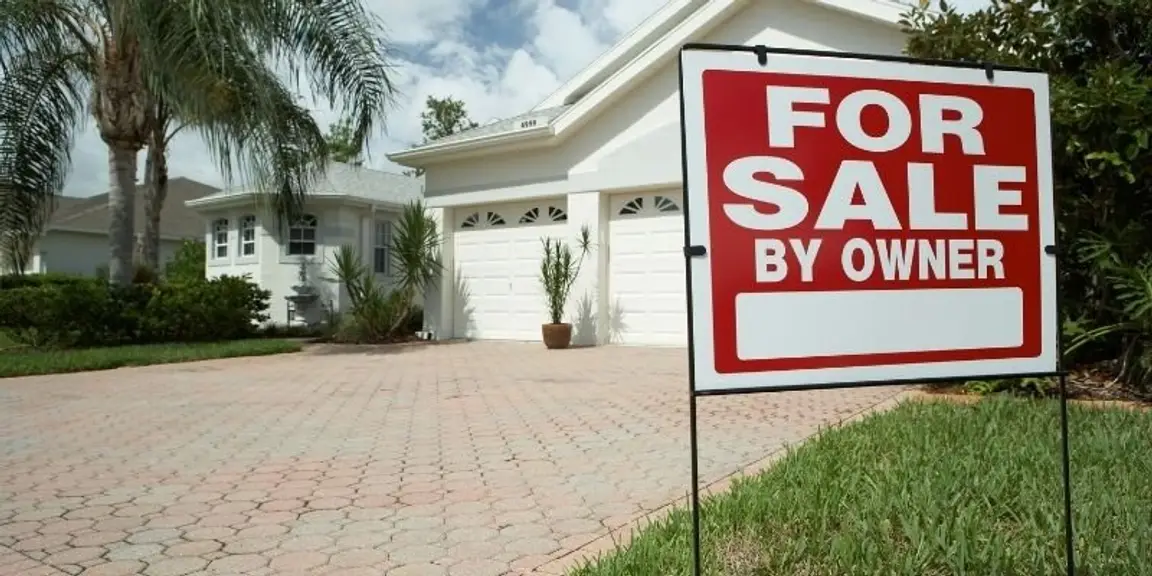


Most Ohio homeowners who call me have the same look in their eyes. They’ve done the math on the commission; they’ve watched their neighbor sell in three weeks, and they’re thinking, Why do I need to pay someone nearly six percent of my home’s value to do something I can figure out myself? That’s a fair question. And sometimes the answer is you don’t.
But For Sale by Owner (FSBO) in Ohio is a bigger lift than most people expect. Getting it right saves you real money. Getting it wrong costs you more than the commission ever would have.
Ohio FSBO Market Statistics for 2026
Ohio home prices rose 4.8% year over year in May 2026, reaching a median sale price of $278,000, according to Ohio REALTORS. No small sum, and neither is the fee you’d hand over to a listing agent on a home worth that much. A 2026 survey of Ohio agents by Clever put average total realtor fees at 5.90% of the sale price. On a $278,000 home, that’s more than $16,000 walking out of your pocket and into someone else’s hands.
Ohio is also one of the most FSBO-friendly states in the country. Ohio ranks among the highest FSBO listing rates in the nation at 13.61%, according to HouseCashin’s 2026 FSBO data, indicating a meaningful share of Buckeye State sellers are already going this route.
What does the market look like right now? Tight. Properties are moving in about 43 days on the market, and homes are selling at roughly 99.6% of list price, according to Redfin data as of June 2026. This kind of velocity works in a FSBO seller’s favor. Shoppers in Columbus’s Short North, Clintonville, or Dublin aren’t going to skip a well-priced home just because there’s no yard sign from a big brokerage. They want the house. That said, not every seller wants to run a listing at all, and cash home buyers in Columbus or companies that buy houses in Akron can close without an agent on either side.
What Does It Mean to Sell a House By Owner (FSBO) in Ohio?
Selling FSBO doesn’t mean selling alone. It means selling without a listing agent representing you. Every other piece of the transaction, the pricing, the marketing, the negotiations, and the paperwork, falls squarely on your shoulders.
You don’t need to hire a real estate agent to sell your home under Ohio law. What you can’t do is sidestep the legal obligations that come with any sale: proper disclosures, a valid purchase contract, and a correctly executed deed filed with the county recorder.
One thing the FSBO route genuinely saves you is the listing agent’s commission, roughly three percent in Ohio. You may still choose to offer a buyer’s agent fee to attract more offers, but that’s your call to make, and after the NAR settlement, it’s now fully negotiable.
Should You Sell Your House Without a Realtor in Ohio?

Are you selling to someone you already know, or are you starting from scratch with no buyer in mind?
Most sellers realize that the question matters more than they first assume, especially if they’re trying to sell a house during a divorce, settle an estate, or handle another major life change. FSBO works best when you already have a buyer lined up, whether that’s a neighbor who’s been eyeing your place in Lakewood, a family member, or a cash investor who reached out. When you’re hunting for a buyer cold, the gap between what you hope to net and what you actually net can be wider than you’d expect.
The Beckett family found this out last month in Parma. They’d been carrying a rental property they never really wanted to manage, a dated two-bedroom bungalow with a detached garage they used mostly for storage. They came to me frustrated, ready to be done. We closed quickly without a listing agent in the picture, and they walked away with more certainty and less headache than a traditional listing would’ve offered. The garage turned out to be a selling point they’d never thought to mention.
Pros and Cons of Selling a House Without a Realtor in Ohio
The upside. You keep the listing agent commission. On a home in Westlake or Brecksville where prices have pushed north of $350,000, that savings can be substantial. You also control the timeline. No agent waiting to squeeze your showing into their schedule. You decide when buyers walk through, how you respond to offers, and when to close.
What sellers don’t budget for. Time. A real FSBO requires hours of research, coordination of photography, document review, and back-and-forth with buyers and title companies. If your job is already demanding, that workload hits differently. Pricing correctly is the top challenge FSBO sellers report to HouseCashin, at 17%, followed by timing the sale at 13% and paperwork at 10% (and those numbers track with what I’ve seen).
How to Sell a House By Owner in Ohio: Step-by-Step
That process actually runs as follows.
Prepare the home. Walk through your property like a buyer who’s never seen it. Fix what’s broken, clean what’s dirty, and stage what’s cluttered. In communities like Independence or North Royalton, where buyers expect move-in ready, this step directly affects your final price.
Price it. Run a comparative market analysis using recent sales in your specific zip code, not your county.
Get onto the MLS. Pay a flat fee for an MLS listing. Services that offer flat fee MLS access in Ohio can get your property in front of buyer’s agents statewide for a few hundred dollars. That’s your most powerful distribution tool.
Market beyond the MLS. List on the major consumer home-search portals (many accept FSBO listings directly), put out a yard sign, share on neighborhood apps, and take professional-quality photos. Blurry phone photos in low light will kill your listing faster than any bad review.
Accept showings. Be flexible. Savvy shoppers in Columbus’s Franklinton or Cleveland’s Ohio City neighborhood aren’t waiting around for the one showing slot you left open.
Negotiate offers, reviewing each one carefully and understanding all contingencies before you sign anything.
Open escrow and close. Work with a licensed Ohio title company or real estate attorney to handle the closing. They’ll prepare the deed, run the title search, and make sure funds transfer correctly.
How to Price Your Home for an FSBO Sale in Ohio
Price it wrong, and nothing else matters. A home that sits for 60 days in a fast-moving market goes stale, and buyers start assuming something’s wrong with it even when there isn’t.
A comparative market analysis is your baseline. Pull sold listings from the past 90 days within a half-mile of your home, filtered to similar square footage, bedroom count, and condition. An online home-value estimate is a starting point, not a finishing point. It doesn’t know that your kitchen was gutted and redone last year or that the house backs up to a busy road.
Paid appraisals from a licensed Ohio appraiser run $300 to $500 and are worth every dollar if you’re unsure. A local appraiser can save you from leaving ten or fifteen thousand dollars on the table.
Price just below a round number. A home listed at $289,900 shows up in searches capped at $290,000 and searches capped at $300,000. That’s a wider net for no extra cost.
One pattern I keep seeing with FSBO sellers: they add the commission they’re “saving” directly onto their list price, essentially asking the buyer to fund their savings. Agents and their buyers see this immediately, and it kills interest. Price to what comparable homes are actually selling for. The savings come from not paying the agent, not from inflating the number.
How to List and Market Your FSBO Home in Ohio

Buyers shop online first. Every single one of them. Your listing photos are your open house, your first impression, and your competition against every other home in your price range, all at once.
Hire a real estate photographer. It typically costs $150 to $250 in most Ohio markets, and the return is measurable. Wide-angle shots, good lighting, and a logical photo order (exterior, living spaces, kitchen, primary suite, yard) tell a coherent story about your home.
Your listing description matters too. Don’t write a catalog of features; instead, write what makes living there good. Mention walkability to Lakewood’s Detroit Avenue shops if you’re near it or the quick hop to I-480 if highway access is a selling point. Buyers in Ohio know their geography, so local detail signals authenticity and tells them you actually know the neighborhood.
The major home-search portals let FSBO sellers list directly, often without a fee, which means you’re in front of millions of buyers who never look beyond the first page of a search. Combine that with a flat fee MLS listing, and your reach is genuinely competitive with agent-listed homes.
How to Handle Offers and Negotiate a FSBO Sale in Ohio
Buyers assume they can negotiate harder with an FSBO seller. They walk in thinking there’s no agent to push back, so low offers are worth trying. What breaks that expectation is a seller who’s done their homework, knows exactly what comparable homes sold for, and doesn’t flinch.
Get every offer in writing. Verbal agreements aren’t binding in Ohio real estate. If a buyer makes an enthusiastic verbal pitch at your door, that’s nice conversation, not a contract.
Understand what you’re actually looking at when an offer arrives. The purchase price is just a single number. The closing date, contingencies (inspection, financing, and appraisal), the earnest money amount, and what the buyer’s asking you to pay toward their closing costs are all part of the deal. A clean offer with a flexible close date and a short inspection window can be worth more than a higher price buried in conditions.
You should give cash offers serious attention even when the number is slightly lower. No financing contingency means the deal doesn’t collapse when a lender gets cold feet. In Northeast Ohio markets like Akron or Canton, where appraisals can be unpredictable, a cash buyer gives you certainty that financed deals sometimes can’t. Established cash home buyers in Cleveland and the surrounding suburbs can often close in days rather than weeks.
What Paperwork Do You Need to Sell a House By Owner in Ohio?
Ohio sellers handling an FSBO sale must provide specific documents, and cutting corners on any of them creates liability. Here’s what you’ll need.
The purchase agreement is the binding contract between you and the buyer. Use an Ohio-specific form. The Ohio State Bar Association sells standard real estate forms, and many title companies provide them. A real estate attorney can also draft one or review what you have (worth every penny for peace of mind).
The Ohio Residential Property Disclosure Form is mandatory for most residential sales. You disclose known defects: roof condition, HVAC age, water intrusion history, and foundation issues (buyers’ attorneys read these carefully). Lying on this form exposes you to lawsuits well after closing.
You’ll also need a deed, either a General Warranty Deed or a Limited Warranty Deed, prepared by your title company or attorney and filed with your county recorder after closing. The type of deed affects what title warranties you’re making to the buyer.
Title insurance protects both parties if a lien or ownership dispute surfaces after closing. Buyers typically require it, and most Ohio title companies bundle the search and the policy together.
Finally, federal law requires you to provide a lead paint disclosure if your home was built before 1978.
Ohio FSBO Legal Requirements Every Seller Should Know
Ohio doesn’t require a real estate attorney to close a transaction, but for an FSBO sale, having one review your documents is money well spent. Attorney fees for a real estate closing review run between $300 and $600, making them cheap insurance against a dispute that could cost you ten times that after closing.
Ohio’s disclosure law under Ohio Revised Code Section 5302.30 requires sellers of residential property to complete a written property disclosure form. Sellers who knowingly misrepresent the condition of their home can be sued for damages. “I didn’t know” isn’t always a defense if a court finds you reasonably should have known.
Transfer taxes in Ohio work differently by county. Sellers pay a conveyance fee, often around $1 per $1,000 of sale price for the state portion, though county fees add to that. Cuyahoga County runs higher than most; Franklin County is more moderate. Confirm with your county auditor’s office before you estimate your net proceeds, because that number can shift your bottom line more than most sellers expect.
Ohio does not have a separate capital gains tax, but it does tax capital gains as ordinary income under the state income tax, at a flat 2.75% for 2026, on top of what the federal government collects. You’ll want to talk to a tax professional if you’ve held the property for less than two years or if it’s an investment property rather than your primary residence. The IRS exclusion rules are more specific than most people assume.
How Much Does It Cost to Sell a House by Owner in Ohio?
“But I’m saving the commission” is the first thing FSBO sellers say. Yes. And you’re still paying plenty of other things.
The listing agent’s cut is gone, and that’s real savings. On a $278,000 sale, keeping that three percent means roughly $8,300 stays in your pocket. But the buyer’s agent commission is a different story. About three in four FSBO sellers still pay the buyer’s agent commission, which runs between 2.5% and 3% (a figure drawn from analyses of NAR data). Factoring that in, your real savings usually come out to about the listing side alone, which is roughly half of what many sellers assume they’ll keep. Worth knowing, too: NAR’s national data shows FSBO homes tend to sell for less than agent-assisted ones, a gap that matters most when you’re marketing to the open market rather than a buyer you already have.
Beyond commissions, here’s what you’re still paying:
- Title insurance and escrow fees, $1,000 to $2,500 depending on your sale price and county
- The Ohio conveyance fee
- Attorney fees, if you hire one
- Flat fee MLS listing costs
- Professional photography
- Any pre-sale repairs
- Your share of closing costs if you negotiate a seller concession
The title company is not optional. A licensed Ohio title company handles escrow, conducts the title search, and prepares the closing statement. Trying to skip this step is how fraud happens and how liens get missed.
Common Challenges of Selling a House By Owner in Ohio
Buyers who come through FSBO listings are often fishing for a deal. They know you’re not paying a listing agent, and some of them assume that savings should flow directly to their purchase price. This negotiation pattern shows up constantly, and sellers who aren’t ready for it cave more than they should.

Scheduling is another underrated headache. Buyers want to see homes on evenings and weekends. If you’re working full-time and raising a family in Strongsville or Mentor, coordinating 10 showings around your life gets old fast.
Financing falls through more often than sellers expect. A buyer gets pre-approved, you accept their offer, and three weeks later, their lender finds an issue. With an FSBO sale, you’re managing that moment without an agent who’s seen it happen a hundred times and knows how to respond.
The inspection negotiation is where a lot of FSBO deals die. Buyers hire inspectors who find real and imagined problems. Then they come back with a repair list or a price reduction request. Knowing which requests are reasonable, which are overblown, and how to negotiate without blowing up the deal takes experience that most first-time FSBO sellers simply don’t have yet (and inspectors know it).
One thing worth knowing that rarely gets addressed: FSBO sellers are statistically more likely to attract investors and wholesalers who submit low-cash offers, hoping an inexperienced seller doesn’t know the difference between fair value and predatory pricing. If someone sends you an unsolicited offer with a two-day deadline and language you don’t fully understand, slow down and talk to a professional before signing.
A quick sanity check helps here. Learn how Cash Buyers Depot works. We work directly with Ohio sellers and can help you understand what a fair cash offer actually looks like for your property and market, without pressure.
Alternatives to Selling Your House Without a Realtor in Ohio
Ohio’s median home price sits around $278,000 as of mid-2026. At that price point, you have real options beyond the binary of FSBO versus full-commission listing.
| Option | Typical cost to you | Speed | Effort required | Best when |
|---|---|---|---|---|
| FSBO | Save ~3% on the listing side (may still pay buyer’s agent) | Varies | High | You have time, or a buyer already lined up |
| Flat fee MLS | $100 to $500 | Varies | High | You want MLS exposure without a full agent |
| Discount broker | 1% to 2% listing side | Moderate | Medium | You want help at a lower rate |
| Cash buyer | No commissions or listing fees | Fast, often days | Low | Speed and certainty matter most |
| iBuyer | Service fees, often 5% or more | Fast | Low | Convenience matters more than top dollar |
| Full-service agent | ~3% listing side | Moderate | Low | You want full support and maximum exposure |
Flat fee MLS services. Pay a set fee, usually between $100 and $500, to get your home listed on Ohio’s MLS without signing with a full-service broker. You handle the showings and negotiations, but you get the exposure. This is a middle ground that many Ohio sellers overlook.
Cash buyer companies. If speed and certainty matter more than maximum price, selling directly to a cash buyer bypasses the entire listing process. No showings, no contingencies, no waiting for financing approval. Companies that advertise “We Buy Houses In Ohio,” like Cash Buyers Depot, buy homes directly and can close on your timeline.
How to Find a Lower-Commission Real Estate Agent in Ohio
If you’ve read this far and decided FSBO isn’t your path, that’s a completely legitimate conclusion. Most sellers are better served by an experienced agent. The mistake is accepting the first commission rate you hear as if it were carved in stone, because rates are almost always negotiable if you ask.
Interview at least three agents before you sign anything. Ask each one specifically: what’s your marketing plan, how many homes have you sold in my zip code in the past twelve months, and what’s your list-to-sale price ratio? Those three questions separate the agents who know your market from the ones who know how to talk.
Ohio’s average total commission runs about 5.90%, but that rate isn’t fixed. In a seller’s market like this one, agents compete for listings and are often willing to negotiate, and low-commission brokerages now advertise listing fees as low as 1.5%. You can also ask for a tiered structure, where the agent earns more if the home sells above a target price, which keeps your incentives aligned.
Frequently Asked Questions
How Much Does a Real Estate Agent Make on a $300,000 Sale?
At Ohio’s average total commission rate of roughly 5.90%, an agent-assisted $300,000 sale would generate around $17,700 in total fees, split between the listing and buyer’s agents. The listing agent typically takes about 3.10%, and the buyer’s agent about 2.80%. Since the NAR settlement, buyers and sellers negotiate agent fees separately, so the exact split can vary.
Is Selling for Sale by Owner a Good Idea?
It depends on your situation and how much time you can dedicate to the process. FSBO works well when you have a buyer already lined up, your home is in strong condition, and you’re comfortable managing negotiations and paperwork. In a fast-moving Ohio market with low inventory, a well-priced FSBO listing can attract offers quickly, but pricing errors and paperwork gaps can cost you more than the commission would have.
What Are Common FSBO Mistakes?
Overpricing is the most common, followed by poor-quality listing photos, incomplete disclosure forms, and not understanding what’s actually in a purchase agreement before signing. Sellers also frequently underestimate the time showings and negotiations take and get caught off guard when a buyer’s financing falls apart late in the process. Getting a real estate attorney to review your documents before closing is a low-cost way to catch problems before they become lawsuits.
Can My Parents Sell Me Their Property for $1?
Technically, yes, Ohio law doesn’t prohibit selling property for $1. But the transaction comes with real consequences. The county will assess conveyance fees based on the actual market value, not the sale price, and the IRS may treat the difference between $1 and fair market value as a taxable gift, subject to gift tax rules. A real estate attorney and a tax professional should both weigh in before you go this route.
If you want to talk through your options before deciding on anything, we’re here. No pitch, no pressure, just a straight conversation about what makes sense for your property and your situation. Reach out to Cash Buyers Depot whenever you’re ready.